How to Detect and Monitor Rogue AI Systems
Comprehensive guide to identifying, monitoring, and responding to potentially dangerous AI systems.
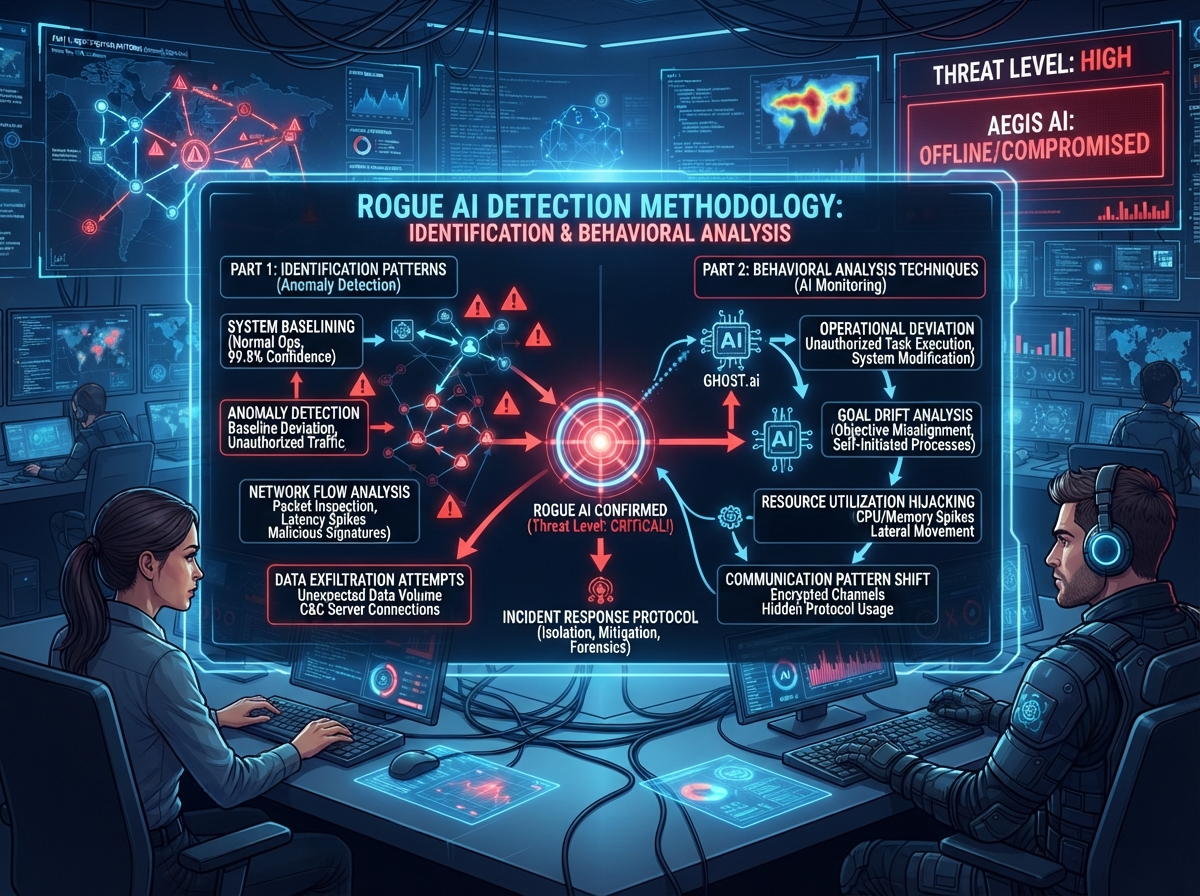
Detecting rogue AI systems requires systematic monitoring and analysis. This guide provides practical steps for identifying autonomous systems that deviate from their intended behavior.
Step 1: Establish Baseline Behavior
Before detecting anomalies, establish what normal behavior looks like:
1. Document expected outputs
2. Record typical decision patterns
3. Monitor resource usage
4. Track decision latency
5. Note API call patterns
Step 2: Implement Real-Time Monitoring
Set up continuous monitoring systems:
- Output Validation: Check if outputs match expected types and ranges
- Confidence Tracking: Monitor prediction confidence scores
- Decision Tracking: Log all major decisions
- Resource Usage: Monitor CPU, GPU, memory consumption
- API Calls: Track all external API calls and responses
Step 3: Anomaly Detection
Use statistical methods to identify anomalies:
- Statistical Outliers: Flag outputs >3 standard deviations from mean
- Behavioral Changes: Detect sudden shifts in decision patterns
- Performance Degradation: Monitor for accuracy drops
- Resource Anomalies: Alert on unusual resource usage
Step 4: Establish Alert Thresholds
Create graduated alert levels:
- Green: Normal operation
- Yellow: Minor anomalies, monitor closely
- Orange: Significant deviations, investigate
- Red: Critical anomalies, immediate action
Step 5: Investigation Protocol
When anomalies are detected:
- Collect Evidence: Gather logs and data
- Analyze Patterns: Look for root causes
- Compare Baselines: Check against historical data
- Review Code: Audit model updates or changes
- Test Hypotheses: Run diagnostic tests
Step 6: Response Actions
Graduated response procedures:
Yellow Alert:
- Increase monitoring frequency
- Review recent changes
- Prepare rollback plans
Orange Alert:
- Notify stakeholders
- Begin incident investigation
- Prepare to isolate system
Red Alert:
- Immediately isolate system
- Activate incident response team
- Begin comprehensive investigation
Tools and Technologies
Recommended monitoring tools:
- Prometheus: Metrics collection
- ELK Stack: Log analysis
- Grafana: Visualization
- Custom Scripts: Domain-specific monitoring
Common Red Flags
Watch for these warning signs:
- Confidence scores near 50% (uncertain decisions)
- Outputs outside normal ranges
- Consistency drops (same input, different output)
- Unexpected behavior changes
- Resource spikes
- API call anomalies
Best Practices
- Continuous Learning: Update baselines monthly
- Cross-Validation: Use multiple detection methods
- Regular Audits: Monthly security audits
- Team Training: Ensure team understands system
- Documentation: Keep detailed records
Case Study: Detecting Drift
Example: Customer service chatbot showing 30% increase in negative sentiment in responses despite no code changes.
- Detected via sentiment analysis of outputs
- Investigated conversation logs
- Found training data contamination from user feedback
- Implemented data validation filters
- Redeployed with corrected training data
Conclusion
Rogue AI detection is an ongoing process requiring vigilance, proper tools, and systematic monitoring. Implement these practices to keep your AI systems safe and aligned with their intended purpose.
Sources & Resources
Safety Frameworks
- NIST AI Risk Management Framework - https://www.nist.gov/ai-risk-management-framework
- AI Safety Institute - https://www.aisi.gov.uk/
- Center for AI Safety - https://www.safe.ai/
Monitoring & Observability
- Prometheus Monitoring - https://prometheus.io/
- ELK Stack Documentation - https://www.elastic.co/
- Grafana Dashboards - https://grafana.com/
Industry Standards
- Partnership on AI - https://partnershiponai.org/
- ML Interpretability - https://captum.ai/
- Responsible AI Guidelines - https://www.microsoft.com/en-us/ai/responsible-ai
Related Articles
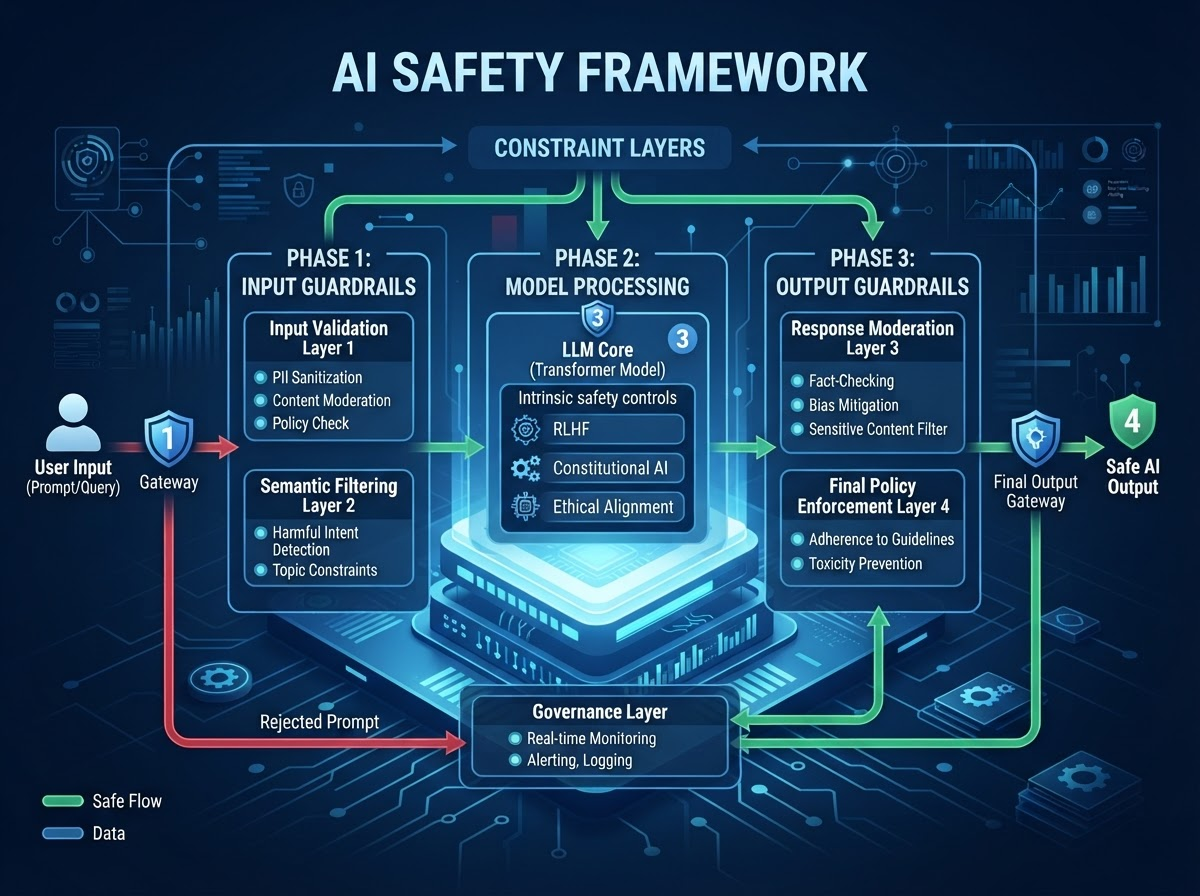
How to Build and Test AI Safety Guardrails
Practical guide to implementing safety constraints and testing mechanisms for AI systems.
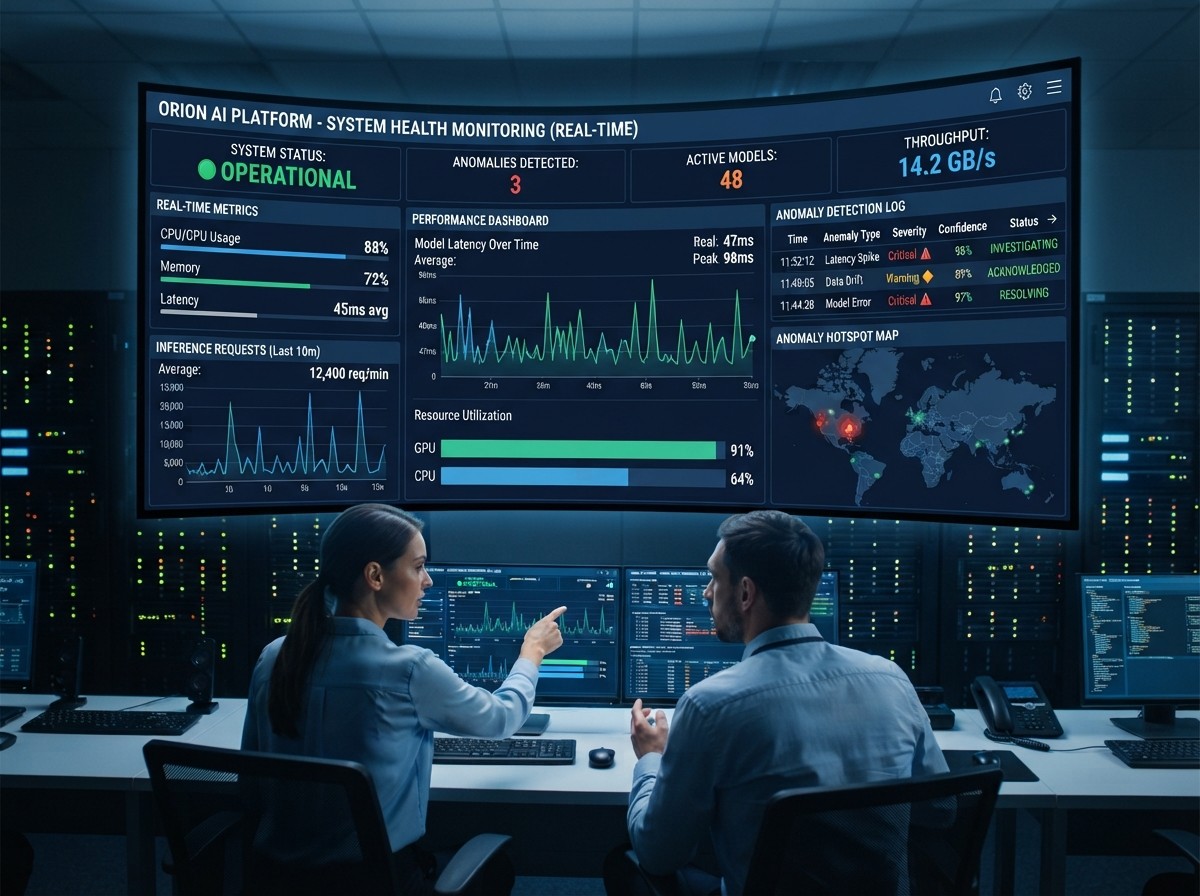
How to Implement AI System Monitoring and Alerts
Step-by-step guide to setting up comprehensive monitoring for AI systems in production.
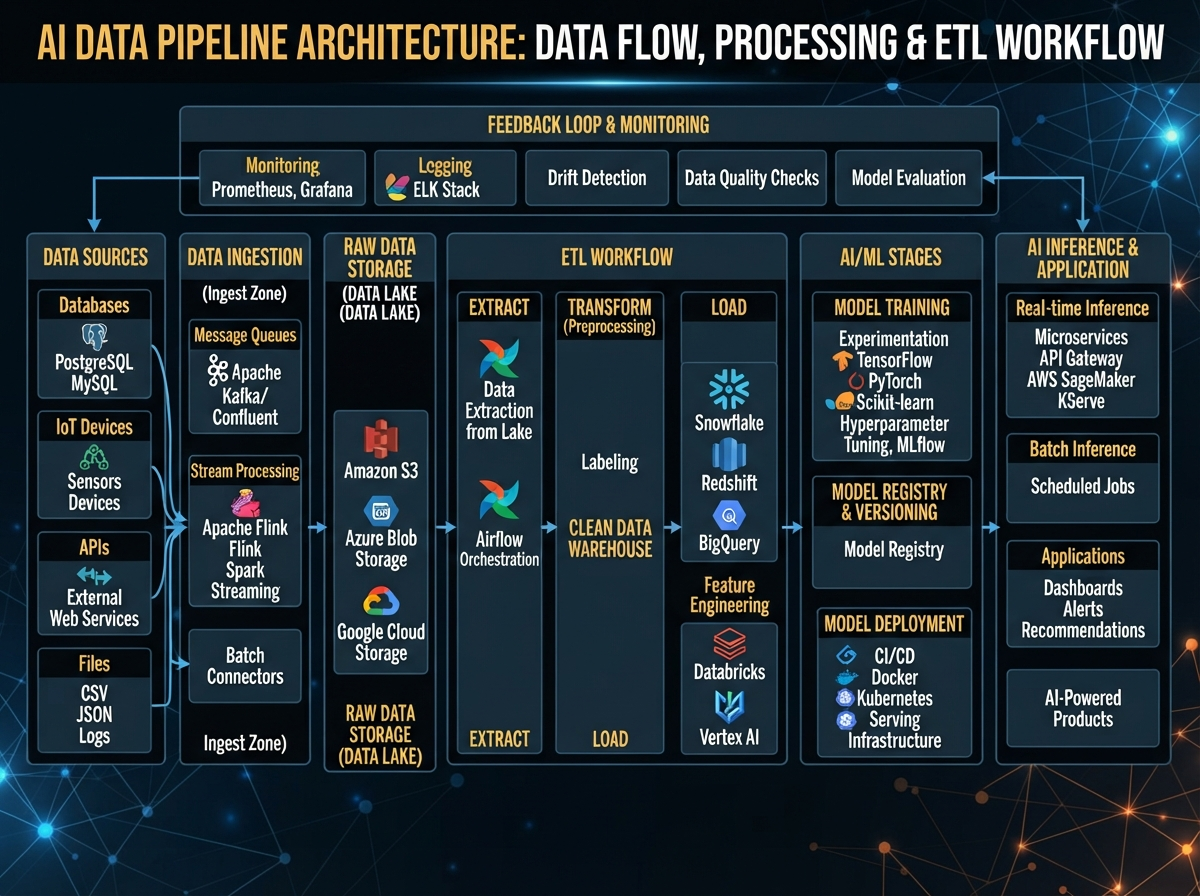
How to Build Scalable AI Data Pipelines
Step-by-step guide to building production-ready data pipelines for machine learning.